
Top Wildlife Sanctuaries To Visit In Gujarat | Gujarat Tour Guide
Western India's Gujarat state is not only about ancient landmarks and vivid culture. Among the most varied and intriguing animal sanctuaries in the nation are also found there. From endangered species to migrating birds, these sanctuaries give an opportunity to see the best of nature. Let's read about Gujarat's best wildlife reserves, which every environmentalist should see.
The List Of Best Wildlife Sanctuaries In Gujarat
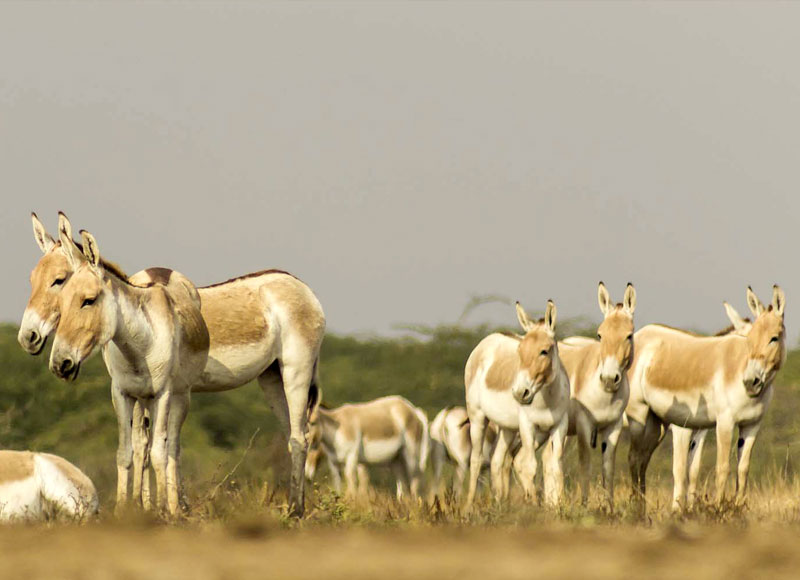
Wild Ass Sanctuary: Home of the Indian Wild Ass
Our wildlife trip starts at the Little Rann of Kutch, where the Wild Ass Sanctuary covers a large swath of parched ground. This is the haven of the magnificent Indian Wild Ass, which wanders freely in herds over the salt desert.
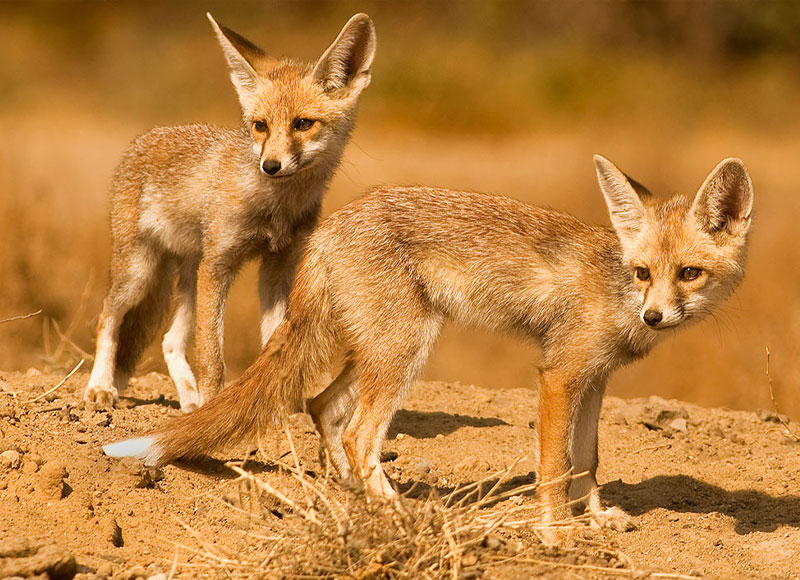
Still, don't let the name deceive you; this site offers more than simply wild asses. Look forward to desert foxes sprinting over the terrain or caracals hunting their target. The sight of flamingos and cranes swarming here in the winter will delight bird aficionados.
The best time to visit is between October and March when the weather is pleasant. The great grandeur of the desert scene will astound you as you tour the refuge. Particularly around sunrise and dusk when the light colors the salt flats in breathtaking tones, this is a photographer's dream.
Nal Sarovar Bird Sanctuary: A Bird Watcher's Paradise
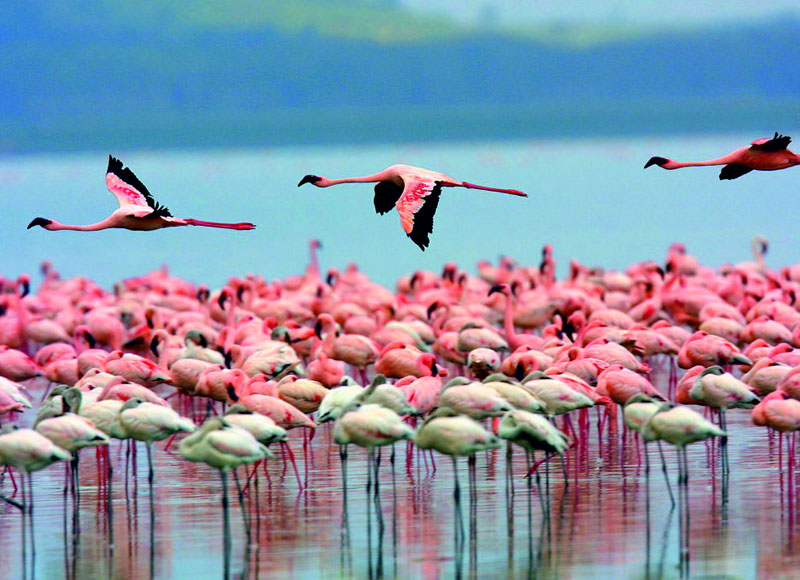
The Nal Sarovar Bird Sanctuary, a wetland turned dream come true for bird watchers in the winter, is next on our list. One of Gujarat's biggest wetland bird sanctuaries, this one lies close to Ahmedabad.
Over 250 species of migrating birds make Nal Sarovar a temporary residence from October to March. Imagine the sight of thousands of flamingos turning the lake into a pink sea! You could see birds like the Brahminy Duck from Tibet or see spoonbills elegantly wading over the small waters.
One of the unusual activities here is lake boat riding. You'll get up close to several bird species without upsetting them as you glide gently across the lake.
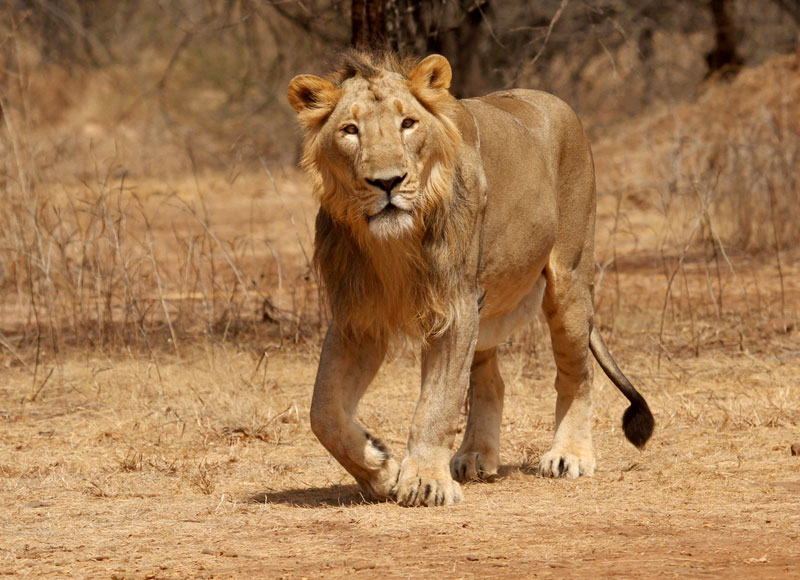
Gir National Park: Kingdom of the Asiatic Lion
Without noting Gir National Park, no list of Gujarat's wildlife sanctuaries would be whole. It is known as the remaining Asiatic Lion habitat.
Gir isn't only lions, though either. Leopards, hyenas, and hundreds of bird species among other species are supported by the varied ecology. Driving over the dry deciduous forests, you may see a family of Langurs swinging among the trees or a gathering of spotted deer in a clearing.
Gir is best visited from December to March when the temperature is mild and sightings of animals are more common. Safaris in early morning and late afternoon provide the highest possibilities of seeing lions and other species.
Marine National Park: Underwater Wonders
Visit the Marine National Park close to Jamnagar for a much different kind of animal encounter. This refuge provides a window into the underwater world of coral reefs and marine life, therefore safeguarding a rich aquatic ecology in the Gulf of Kutch.
There are 42 islands in the park; Pirotan is the most often visited island. Walking on the sea bottom during low tide allows you to see vibrant coral, sponges, and a range of marine life.
Look for dolphins surfing in the waves or attempt to find an octopus hiding among the rocks. Additionally found in the park are sea turtles; if lucky, you may find them breeding on the beaches.
Visiting is ideal between November and February when the water is clean and the temperature is cool.

Velavadar Blackbuck National Park: Grassland Glory
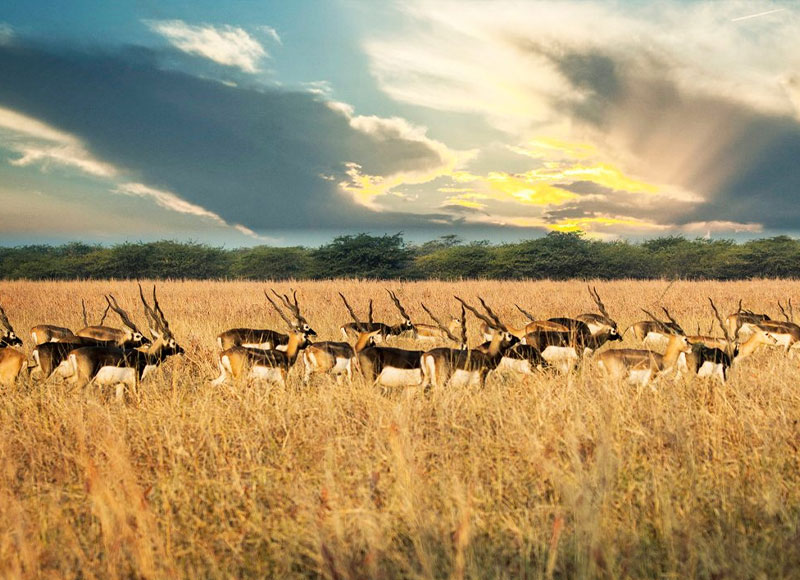
Our next visit is the Velavadar Blackbuck National Park, a haven safeguarding India's biggest blackbuck population. Watching these graceful antelopes rush over the vast plains is a delight thanks in part to their unique spiral horns.
The park goes beyond blackbucks, though. One of the rare locations in India where the Indian wolf may be seen in its native surroundings is here. Among the many bird species found in the grasslands are notably the threatened Lesser Florican.
The huge flocks of harriers roosting on the grasslands during winter are among the most amazing views available here.
October to March is the ideal visiting season. Early morning and late afternoon are best for viewing animals. For a more realistic view of the grassland ecology, opt for a walking safari.
Inquiry Now

Jessore Sloth Bear Sanctuary: A Haven for Bears
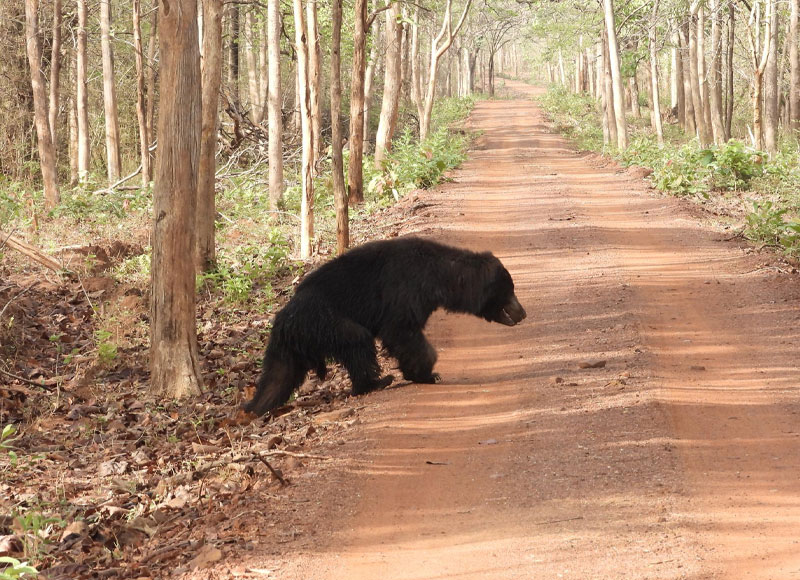
Nestled in North Gujarat's Aravalli highlands, the Jessore Sloth Bear Sanctuary presents an unusual wildlife viewing opportunity. As the name might imply, sloth bears abound in this haven.
Seeing these hairy, insect-loving bears in their native surroundings is amazing. Early morning or late afternoon trips are better for bear sightings as they are more active in the colder times of the day.
The refuge goes beyond bears, though. Leopards, hyenas, and many bird species are supported by the tough terrain and deep woodlands.
Kutch Desert Wildlife Sanctuary: A Unique Desert Ecosystem
During the monsoon, the huge stretch of salt marshes and mudflats known as the Kutch Desert Wildlife Sanctuary becomes a shallow wetland.
The wildlife of this haven is well known, especially in the winter when hundreds of flamingos swarm to procreate. These pink birds against the stark white salt desert scene are quite amazing.
Seeing the contrast between the vivid life this area sustains and the desolate terrain is one of the special experiences here. It's evidence of how strong and flexible nature is.
The best time to visit is from October to March when the weather is pleasant and migratory birds are present.
Utter Participate in these guided trips to explore the local palaces. Exclude any names of palaces. Each tour is represented by one line. Maintain the identical names for the tours.
Visit Gujarat’s Top Wildlife Sanctuaries With Gujarat Tour Guide
Gujarat Tour Guide’s tour packages offer you the opportunity to visit the best wildlife sanctuaries in the state. These are their top offerings:
- Dwarka Somnath Tour Package with Gir National Park : This tour offers a unique opportunity to explore sacred sites in Dwarka and Somnath along with the famous Gir National Park.
- Dwarka Somnath Gir with Diu Tour Package : Explore famous places in Dwarka and Somnath, as well as Diu and Gir along with visiting famous wildlife sanctuaries.
- Holiday Saurashtra Kutch Tour Package: Go on this holiday trip to explore famous destinations and wildlife sanctuaries in Saurashtra and Kutch.
- Adventurous Gujarat Tour Packages: Go on this journey to explore pilgrimage sites while indulging in exhilarating experiences around Gujarat.
Contact Gujarat Tour Guide To Get Started!
With Gujarat's wildlife sanctuaries, offer a diverse range of experiences for nature lovers. From the arid landscapes of the Wild Ass Sanctuary to the lush forests of Gir, from the wetlands of Nal Sarovar to the coral reefs of the Marine National Park, each sanctuary has its own unique charm and wildlife.
Whether you're an avid wildlife photographer, a bird-watching enthusiast, or simply someone who loves being in nature, Gujarat's wildlife sanctuaries have something special to offer. Contact Gujarat Tour Guide today to book your tour package. Contact us today to know more.